












What Is an Interactive Climbing Wall
An Interactive Climbing Wall is a modern digital attraction that combines a physical climbing wall with projection-based games and touch-responsive interaction. Using advanced sensors and a high-brightness projector, the climbing surface transforms into an active gaming environment that reacts to every touch and movement.
The system runs on the innovative MagicDynamics interactive software platform, which ensures accurate touch detection, smooth animations, and a wide selection of engaging games for users of all ages.
Where Interactive Climbing Walls Are Used
Interactive climbing walls are popular in a wide range of indoor environments, including:
- family entertainment centers;
- children’s activity parks;
- sports and fitness facilities;
- indoor playgrounds and recreation centers;
- schools, educational spaces, and training gyms;
- community activity halls and leisure complexes;
- indoor climbing studios and mixed-activity arenas.
Thanks to adjustable settings and modular installation, the attraction fits spaces of various sizes and purposes, from commercial parks to educational facilities.
How the Interactive Climbing Wall Is Installed
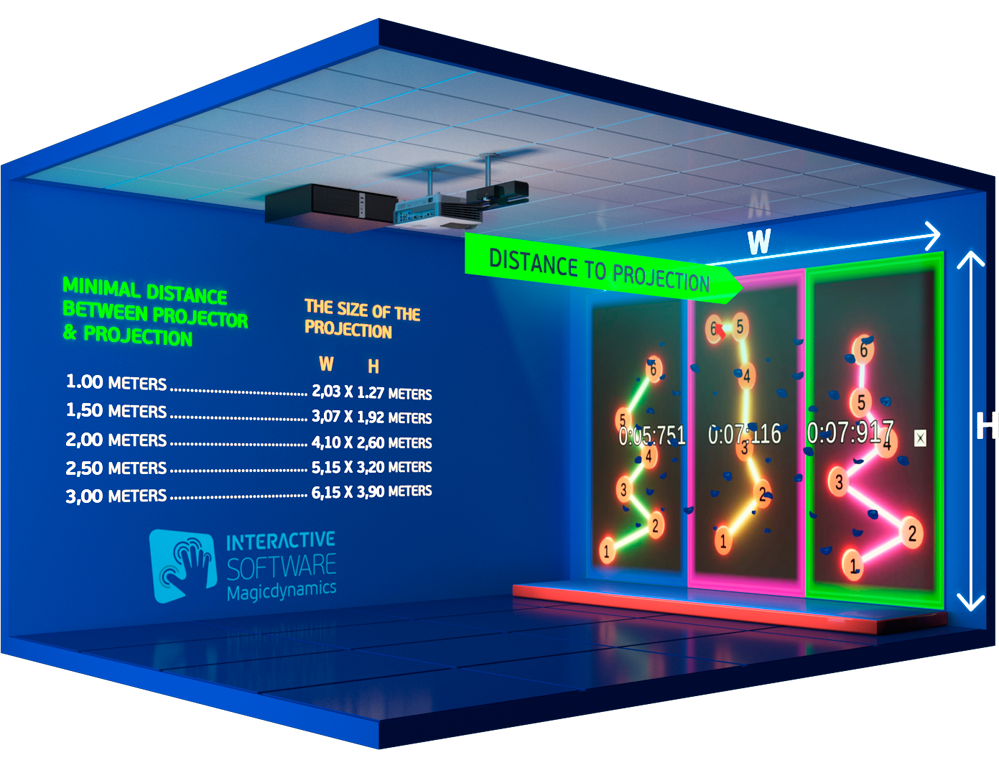
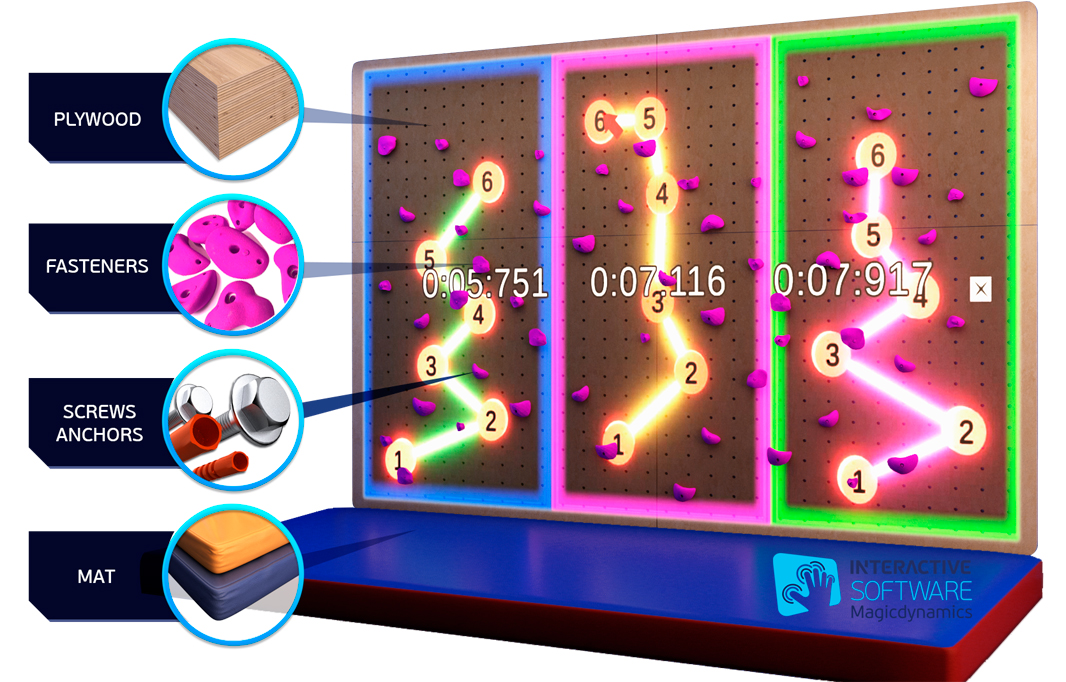
The system uses a standard indoor climbing wall equipped with traditional climbing holds. To achieve optimal image quality, the front surface must be white or light-colored, ensuring perfect projection visibility.
Installation includes:
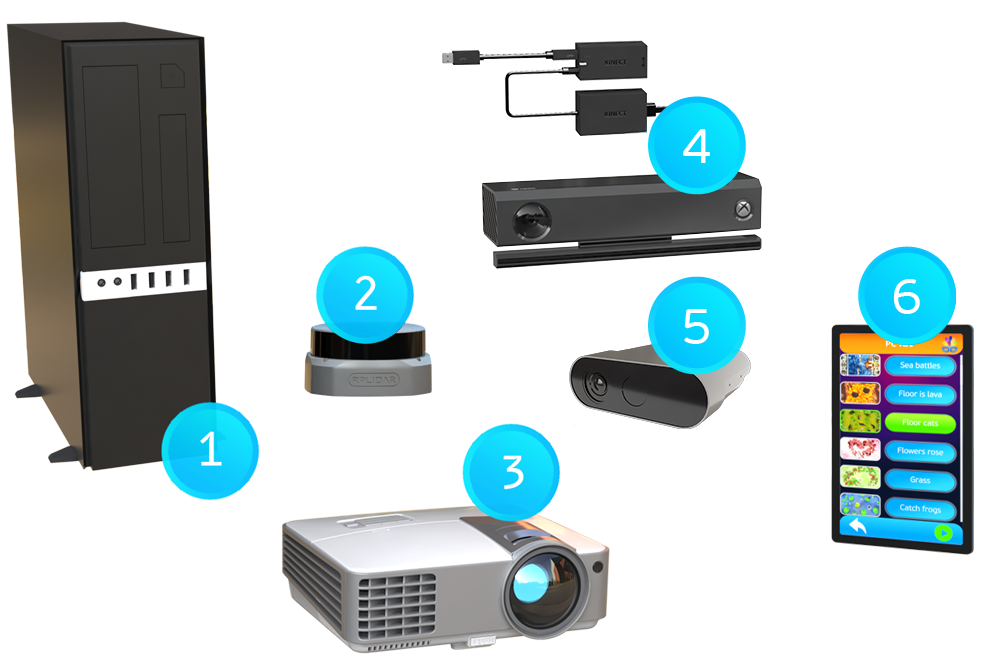
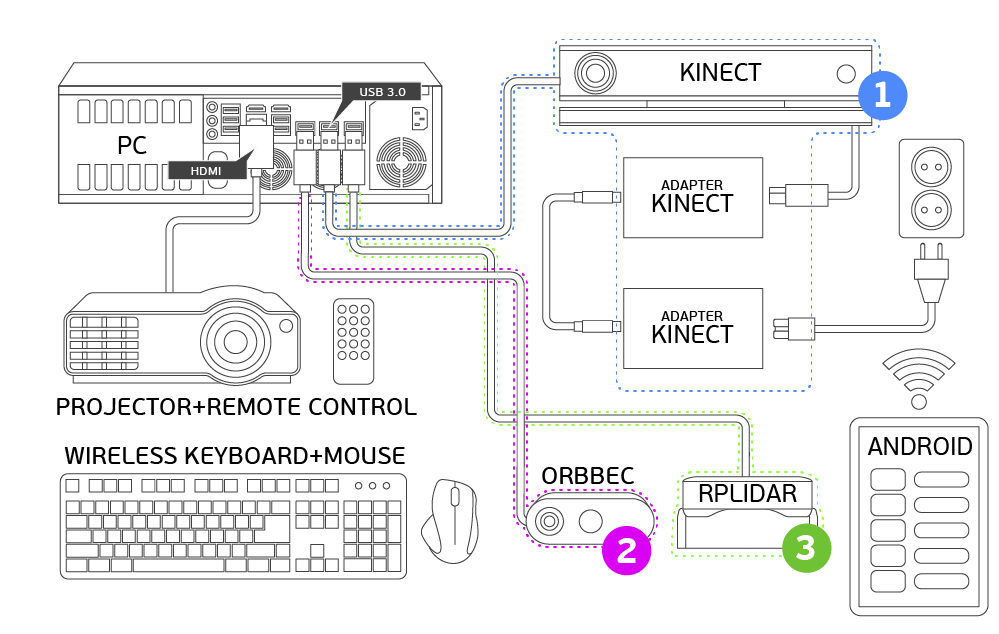
- High-brightness projector mounted above or in front of the wall to display interactive elements and gaming content.
- Touch-detection camera that identifies player touches, hits, and interactions with projected targets.
- MagicDynamics software that processes movements and touch inputs in real time and controls all gameplay scenarios.
The system supports both small rooms and large sports halls, making it highly versatile and scalable.
Who the Interactive Climbing Wall Is Designed For
The attraction is suitable for:
- children ages 3 and up;
- teens and young athletes;
- adults who enjoy active entertainment;
- families and group visitors;
- professional trainers and sports instructors;
- educational and recreational facilities.
The system offers customizable difficulty levels, making it equally engaging for beginners and experienced climbers.
What Problems the Interactive Climbing Wall Helps Solve
By blending digital gameplay with physical activity, the system:
- boosts motivation to exercise through gamification;
- offers an engaging alternative to traditional physical training;
- improves coordination, agility, and reaction speed;
- supports healthy physical development in children;
- encourages strategic thinking and problem-solving;
- reduces fear and hesitation associated with climbing;
- enhances group activity participation;
- creates an appealing and competitive environment.
Developmental Benefits for Children and Adults
For Children
- motor skills and body coordination;
- balance and spatial awareness;
- muscle strength and endurance;
- confidence building in a safe environment;
- faster reaction and improved hand-eye coordination;
- engagement through bright visuals and playful challenges.
For Adults
- advanced climbing drills and route-based challenges;
- timed competitions and precision training;
- reaction-based tasks for agility improvement;
- personalized workouts with variable difficulty;
- custom route creation using MagicDynamics tools.
Safety of the Interactive Climbing Wall
Safety is a top priority in the design of the interactive climbing system. Key measures include:
- maximum height for children's installations is limited to 3 meters;
- soft flooring or padded mats beneath the wall for impact protection;
- optional foam pit for enhanced cushioning;
- a smooth, projection-safe wall surface with no sharp components;
- touch interaction occurs only with projected images, ensuring safe gameplay.
Games and Visual Content
MagicDynamics offers a wide variety of games designed for different ages and skill levels:
- target-hitting games with fast reaction mechanics;
- adventure and exploration scenarios;
- logic and pattern-matching tasks;
- team-based cooperative challenges;
- multi-level climbing routes with checkpoints;
- sports competitions and time-based missions;
- dynamic visual effects like objects, creatures, and projectiles.
User Interaction and Controls
Players interact directly with the projected elements by touching or activating targets with their hands. The system recognizes:
- touches, hits, and holds;
- movement along the wall;
- activation of virtual objects;
- completion of tasks and checkpoints.
Administrators control the platform via tablet or PC, adjusting:
- game selection;
- difficulty levels;
- timers and scoring;
- route structure;
- content for adults or children.
Monetization Opportunities
The interactive climbing wall is a highly profitable attraction for commercial venues. It can generate income through:
- paid sessions and playtime billing;
- membership and subscription programs;
- group activities and birthday packages;
- sports competitions and tournaments;
- extended visitor dwell time in entertainment centers;
- repeat visits due to high user engagement.
For many venues, the interactive climbing wall becomes a key feature that significantly enhances overall guest satisfaction and return rates.